Why We Vape — and How the Habit can be overridden
A compassionate guide for anyone ready to put the vape down and walk away — whatever your age, and however long you’ve been vaping.
Whether you’ve been vaping for a few months or many years, with nicotine or without, your brain has simply been doing what brains do brilliantly: learning patterns and looking for relief. You were not born wanting to vape - the good news is that anything the brain has learned, it can also un-learn, often more easily than people expect.
If Your Vape Contains Nicotine
The Carrot and the Stick
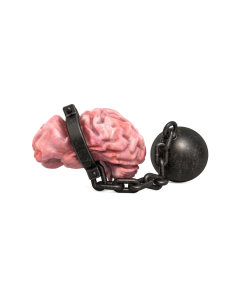
Nicotine works fast. It can reach the brain within seconds, triggering a small wave of dopamine — the brain’s “feel good” chemical. That quick lift in mood, focus or calm is the carrot. But it doesn’t last, and that’s where the stick comes in.
- Nicotine can create a brief sense of pleasure, relief or sharper focus — which is exactly why the brain wants more of it.
- With repeated use, the brain starts to expect nicotine as part of its “normal.” When levels drop, it notices — and that shows up as cravings.
- Withdrawal can bring irritability, restlessness, low mood, tiredness, trouble concentrating, disturbed sleep, increased hunger and strong urges to vape.
- Vaping relieves that discomfort for a short while — and so the brain quietly learns: ‘vaping fixes this feeling.’ And the cycle repeats.
- Over time, many people find they need more nicotine, or need to vape more often, just to feel the same effect — this is tolerance, and it’s a normal part of how dependence builds, not a sign of weakness.
It’s worth saying: vaping has helped many adult smokers quit smoking cigarettes, and that matters. But if nicotine has become something you feel you can’t do without, your brain has simply adapted — and brains that adapt one way can certainly adapt back.
If You Vape Without Nicotine
No nicotine doesn’t mean no pull. Without a chemical hook, the habit is held in place by something just as powerful — repetition, comfort and routine. Here’s how that works.
The Carrot — what the brain thinks it’s getting
- A comforting, familiar hand-to-mouth action.
- A sense of relaxation, stress relief, or ‘switching off.’
- A welcome distraction from boredom, frustration, loneliness or overwhelm.
- Certain moments — driving, a coffee break, socialising — feel more enjoyable simply because vaping has become linked to them.
- A feeling of self-care — even though it’s often the pause itself, not the vape, that’s doing the good work.
- The brain quietly files it away: ‘this is what we do in this situation.’
The Stick — what keeps the habit going
- The urge can pop up automatically — triggered by a place, a person, an emotion or simply a familiar routine.
- Without the vape, some moments can feel restless or as though something’s missing.
- You might start to doubt whether you can relax, cope or enjoy yourself without it.
- The more the habit is repeated, the stronger and more automatic it becomes — and the less room there is for other ways of coping.
What’s Actually Happening, Chemically
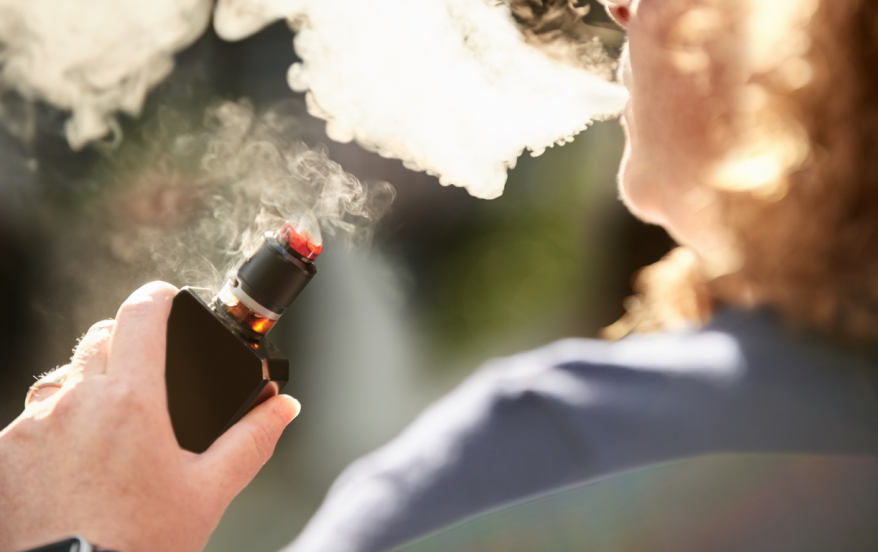
Beyond the habit and the nicotine itself, it’s worth knowing what’s actually happening when you vape. E-liquids are typically made up of propylene glycol or vegetable glycerine as a base, along with flavourings and, often, nicotine — and when the device heats this liquid, it doesn’t burn in the way a cigarette does, but it does turn that liquid into an aerosol of fine particles and chemical compounds, some of which can change under heat into substances like formaldehyde and acetaldehyde. This aerosol is then drawn deep into the lungs, where the delicate lining can become irritated and inflamed with repeated exposure, potentially affecting how easily the airways clear themselves and how well the lungs take in oxygen over time. Because vaping is still relatively new, researchers are continuing to learn about its longer-term effects.
The Cycle, in Short
A cue appears → an urge arises → vaping brings a moment of comfort or familiarity → the brain notes, ‘that worked — let’s do it again’ → and, bit by bit, the pattern becomes automatic.
Everything That Starts to Open Up When You Quit
Here’s the exciting part — the moment you stop, your body doesn’t wait around. It gets straight to work, and the changes start sooner than you might imagine, building one on top of another.
- Within hours — your blood oxygen levels begin to rise back to where they should be, almost as if your body has been waiting for the green light.
- Within days — your sense of taste and smell can become noticeably sharper, so food, coffee, fresh air — all of it — starts to feel more vivid, more alive.
- Breathing eases — that tightness or persistent cough begins to settle, and each breath can start to feel fuller, deeper, more satisfying.
- Energy lifts — with the body no longer working to manage all that aerosol and chemical exposure, you may notice a fresh sense of get-up-and-go, almost like switching to a higher gear.
- Sleep deepens — once nicotine stops disrupting your natural rhythms, rest becomes more restorative, so you wake feeling clearer and more refreshed.
- Skin can brighten — as circulation improves, many people notice a healthier glow, a kind of visible vitality.
- Lung function keeps improving over the weeks and months ahead — quietly, steadily, repairing and strengthening in the background.
- And for so many people, there’s a wonderful lift in mood and confidence — a growing sense of being back in charge, free, and proud of it.
Every timeline is a little different, and that’s perfectly normal — what matters is the direction, and the direction is unmistakably upward. Your body is remarkably good at repairing itself, and the moment you give it the chance, it gets started.
The Good News
A habit-based pattern can shift surprisingly quickly once it’s noticed and carefully interrupted — and even where nicotine is involved, the body adjusts far more readily than most people expect.
Your brain learned this pattern because it’s brilliant at learning. That same ability means it can learn a new, freer way forward — and that’s exactly what we’ll be working with together.