Categories
Uncategorized

The Reik Therapy Session – Hypno-Reiki

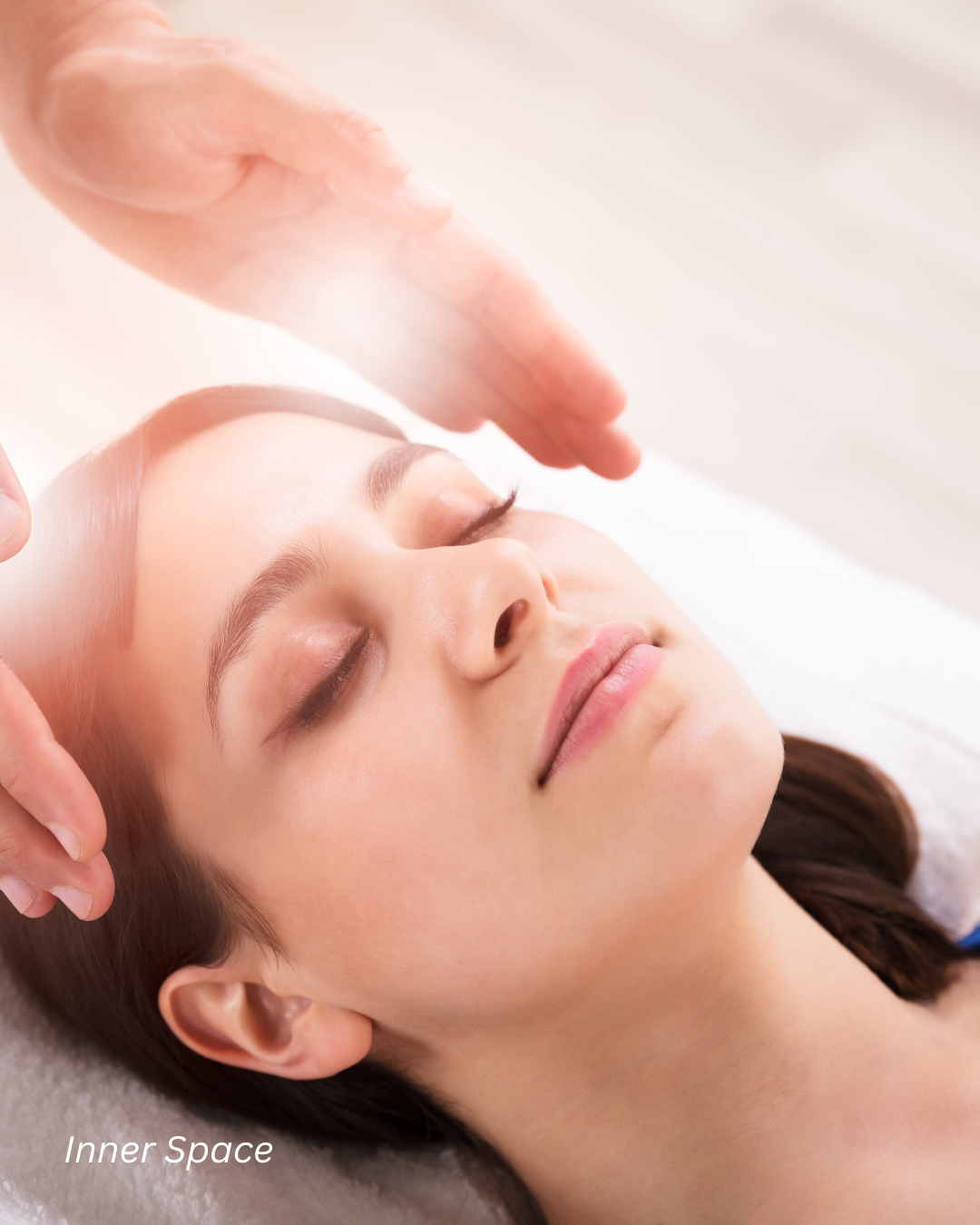
If you’re exploring Reiki Energy Therapy, you may be looking for an approach that works from the inside out and the outside in. Hypnotherapy with Reiki (often called Hypno-Reiki) supports emotional wellbeing, mindset, and inner balance by working with both the subconscious and the body’s energy system.

This article explains how Hypno-Reiki can be combined within one session to support meaningful, lasting change in a calm and supportive way.

What Is Hypno-Reiki?

There are two parts to this approach.

Hypnotherapy is a therapeutic process that works with the subconscious — the processes below conscious awareness where learned behaviours, emotional patterns, beliefs, and automatic responses are held. By working at this level, it becomes possible to release what is no longer helpful and introduce healthier, more supportive ways of thinking, feeling, and responding.

The term subconscious is used here to describe processes operating below conscious awareness, and may also be understood more broadly as an intuitive or collective field accessed in deeply relaxed states.

Reiki is an energy healing practice based on the principle of channelling universal life force energy to support balance within the body’s energy system. It works with the body’s own healing energy, encouraging regulation, restoration, and a sense of internal harmony.

When these two approaches are combined in one flowing system, hypnotherapy supports psychological and emotional change, while Reiki helps the body settle, rebalance, and integrate that change more easily.

How Hypno-Reiki Supports Change

Subconscious reprogramming
Hypnotherapy helps to release the underlying causes of emotional or behavioural patterns, supporting change at a deeper level rather than simply managing symptoms.

Energetic balance and alignment
As Reiki supports the body’s energy system, helping to clear energetic blockages and restore balance, it can enhance the way therapeutic suggestions are absorbed and integrated.

Stress reduction and nervous system support
Both hypnotherapy and Reiki encourage deep relaxation, allowing the nervous system to settle and the body’s natural healing processes to switch on.

Together, they create the conditions for progress to take place with calmness and ease.

What to Expect in a Session

Sessions take place in a calm, supportive environment where you are encouraged to relax fully and feel at ease. We assess your needs, clarify your intention, and invite positive change, always for your higher and greater good.
You can expect:

  • Deep relaxation that supports both mind and body
  • Reiki energy healing combined with guided hypnotherapy
  • A safe, relaxing space for meaningful inner change
  • You remain aware and in control throughout, simply allowing yourself to rest and restore.

Key Benefits of the Hypno-Reiki Session

This integrated approach may support you with:

  • Reduced stress and anxiety
  • Emotional healing and release
  • Mood enhancement
  • Improved sleep and relaxation
  • Pain management
  • A calmer mind
  • Personal growth and self-understanding
  • A stronger mind–body connection
  • Increased emotional resilience
  • Enhanced spiritual awareness
  • More integrated and lasting therapeutic progress
  • Each session is tailored to your individual needs, and experiences vary from person to person.

How It Works

Hypnotherapy works by re-patterning limiting beliefs, habits, and emotional responses held in the subconscious. Reiki supports this process by helping the body’s energy system return to balance and coherence.

By addressing both psychological patterns and energetic balance, Hypno-Reiki supports change and integration that feels natural, aligned, and sustainable.

After Your Session

After a session, you may notice:

  • A deep sense of relaxation
  • Greater clarity and calm
  • Emotional release or lightness
  • Increased self-awareness
  • Renewed physical energy

These effects may continue to unfold in the hours or days following your session. You may also experience deeper dreaming, or spontaneous insights and realisations that guide you forward in life.

An Overview of the Chakras
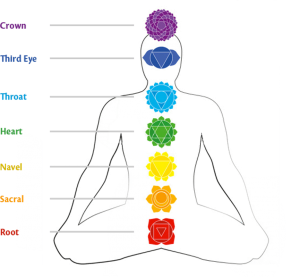
Reiki works with the body’s main energy centres, known as chakras. Each chakra is associated with different physical, emotional, and energetic themes. These energy centres originate from ancient Eastern spiritual traditions and are also explored within modern holistic and energy-based approaches to health and wellbeing.

You don’t need to hold any particular belief system for this work to be helpful — many people simply experience the effects as a sense of balance, clarity, and relaxation.

Root Chakra

Location: Base of the spine
Colour: Red
Blocked by: Fear, insecurity, financial stress
Opened by: Grounding practices, physical activity, meditation
Governs: Safety, stability, basic needs

Sacral Chakra

Location: Lower abdomen
Colour: Orange
Blocked by: Emotional repression, sexual shame
Opened by: Creative expression, emotional awareness, movement
Governs: Creativity, sexuality, emotional wellbeing

Solar Plexus Chakra

Location: Upper abdomen
Colour: Yellow
Blocked by: Low self-esteem, doubt, control issues
Opened by: Confidence-building and empowerment practices
Governs: Personal power, self-worth

Heart Chakra

Location: Centre of the chest
Colour: Green
Blocked by: Grief, resentment, lack of self-love
Opened by: Compassion, forgiveness, connection
Governs: Love, emotional healing

Throat Chakra

Location: Throat
Colour: Blue
Blocked by: Fear of speaking truth, communication anxiety
Opened by: Honest expression, sound, voice
Governs: Communication, self-expression

Third Eye Chakra

Location: Between the eyebrows
Colour: Indigo
Blocked by: Rigid thinking, disconnection from intuition
Opened by: Meditation, visualisation, inner awareness
Governs: Intuition, insight, imagination

Crown Chakra

Location: Top of the head
Colour: Violet or white
Blocked by: Spiritual disconnection, loss of meaning
Opened by: Meditation, reflection, spiritual practice
Governs: Connection to something greater

The Reiki Principles

Reiki is guided by a set of simple principles that encourage mindful, compassionate living. I believe these can be adopted by anyone, helping to create a kinder, more loving world.

Just for today…

💖 I let go of anger

💖  I let go of worry

💖  I am grateful for my many blessings

💖  I do my work honestly and to the best of my ability

💖  I am kind and considerate to myself and all beings

Take a moment now to breathe, close your eyes if you wish, and imagine how you might feel after a session of Hypno-Reiki.

Categories
Wellbeing

How to Get the Very Best Out of Hypnosis

If you’ve been curious about hypnosis but feel a little unsure whether it’s right for you, I’d like to gently put your mind at ease. In this article, I explore three common myths about hypnosis, share a brief background, and reassure you that hypnosis is a natural, accessible process for anyone who chooses to participate.

Myth 1: “I might lose control or be made to do something I don’t want to do”

This is probably the biggest myth of all. Hypnosis does not take away your control. You remain aware, present, and able to choose throughout the entire session. You can hear what’s being said, you can move, you can speak, and you can stop at any time.

Hypnosis actually works really well because you are participating, playing your part in a way that feel comfortable for you.  Your values and boundaries hold firm. Your secrets remain safe within you, unless of course you want to disclose them. Nothing can make you say anything you don’t want to say.

In reality: Hypnosis is a state of focused attention, not surrendering control.

A client recently said to me that he felt as if his body was asleep but his mind was aware of everything that was said, at the time it was said, even though he didn’t remember everything at the end of the session

Myth 2: “I might get stuck in hypnosis or not come out properly”

This is a common misconception, but nobody has ever been “stuck” in hypnosis. Many of my clients have said they would love to stay in that comfortable hypnotic state because it’s so relaxing, but everyone opens their eyes, fully alert and aware, and gets on with the rest of their day.

Hypnosis is a natural state that we move in and out of every day, like daydreaming, becoming absorbed in a good book, or losing track of time while driving.    Even if a session were interrupted, you would simply return to your normal level of awareness on your own.

In reality: Hypnosis always ends naturally and safely.

On a practical note, the hypnotic state can also be accessed just before falling asleep at night and just before fully waking in the morning, when the mind is naturally relaxed, aware, and more open to suggestion. At these times, it can be helpful to quietly repeat a calm, positive intention or suggestion to yourself, rather than analysing or forcing anything.  Just allow your mind to fully absorb it naturally, as if it’s certainty already.

Myth 3: “I don’t think I can be hypnotised”

Many people say this, often because they believe hypnosis has to be dramatic or extreme, or they think hypnosis is a kind of mind control (which it isn’t). While stage hypnosis can be a dramatic performance, therapeutic hypnosis is a collaborative process that is goal oriented.

Some people think they have to feel “under/gone/unconscious” in order to be hypnotised.  This is not true.

Many clients report feeling comfortably heavy, or light and floaty, or gently drifting in and out of awareness during a session. This isn’t sleep, but a deeply restful state where the body and nervous system can settle. It’s similar to what’s now referred to as Non-Sleep Deep Rest (NSDR) — a restorative, regenerative state in which the body rests while the mind remains responsive.

Some people describe hypnosis as feeling very calm and deeply aware at the same time, while others notice more subtle shifts — such as a narrowing of focus on the words being spoken, background sounds fading away, time seeming longer or shorter, the breath naturally deepening, thoughts slowing, and muscles gently loosening. Some people also notice colours or soft shapes behind closed eyes. All of these experiences are perfectly normal hypnotic responses.

Hypnosis is a learnable skill, not a special talent and there is nothing mysterious about it.  The most important ingredients are willingness, attention, and engagement, not “going under.”

So in reality, the majority of people can be hypnotised, if they want to.  If you can focus, imagine things in whatever way feels right for you, and follow some guided suggestions, you can experience hypnosis.  Hypnosis is not about losing control, it’s about working with your mind and allowing thoughts and feelings to bubble up spontaneously. There’s no right or wrong way to experience hypnosis, your mind responds in the way that’s right for you.

Hypnosis is a natural state of focused attention that has been safely understood and used in psychology for over 180 years.

A very brief background

The founder of hypnosis, James Braid, a Scottish surgeon in the 1800s, was the first to use the term hypnosis. He described it as a state of focused attention and heightened mental concentration, rather than sleep or unconsciousness.

Braid believed hypnosis was a physiological and psychological process, produced through focused attention, expectation, and suggestion — not mystery or loss of control.

Later, Milton Erickson  (1901-1980) showed that hypnosis is a natural, everyday state of focused awareness in which people can access inner resources, learning, and abilities they already have. He emphasised that hypnosis works best when it feels comfortable, permissive, and personal.

More recently, Michael Yapko, born in 1953,  brings evidence-based psychological approaches.  He has described hypnosis as a process that enhances your responsiveness to ideas, images, and experiences — especially those that support positive change.

In other words, hypnosis is something you do, not something that is done to you. Across all of these perspectives, the message is the same: your engagement matters.

Hypnosis Is a Learnable Skill

Hypnosis is a learnable skill, anyone can do it, if they are willing.  The right mindset sets you up for success – imagination, expectation, and willingness.

Your mindset before hypnosis plays a powerful role in how you respond. I encourage you to gently adopt this attitude:

  • Be open and willing to go with the flow
  • Be motivated to experience positive change
  • Be confident in your ability to respond
  • Be optimistic about the process
  • Expect to notice the experiences being suggested or imagined

When you approach hypnosis this way, your mind naturally becomes more responsive.

Listen and Engage With the Process

Hypnosis works best when you pay attention in a relaxed manner.  You may drift off from time to time, and that’s normal, most people do.  If this happens, I remind you to just come back to my voice and carry on.  I invite you to follow the suggestions, engage with the imagery, and allow yourself to imagine what’s being described. You don’t need to force anything, simply imagining things is enough, your mind will find it’s own way of making subtle changes.

Posture Matters

Whenever possible, I recommend sitting comfortably or reclining, rather than lying down, especially when listening to recorded sessions. Sitting up helps you remain mentally engaged while you still become deeply relaxed.  This tends to enhance positive results.  Ultimately, whatever works for you is best.

Trust Yourself and the Process

Hypnosis is not about losing control, far from it, it’s about working with your mind.

Trust that:

  • You can follow the simple suggestions
  • Your mind knows how to respond in a way that feels right for you
  • Change can happen gently and naturally without effort

A Gentle Intention Before Each Session

Before you begin hypnosis, take a quiet moment to connect with your intention. You might gently say to yourself, “I am ready and willing to make the changes I am now ready to make,” or “I am open to allowing positive change to unfold in a way that feels right for me,” or choose your own calm, positive intention that works for you.

If you have any further questions,  or you would like to experience hypnosis for yourself, just send me a message and let the conversation begin.